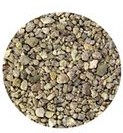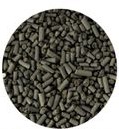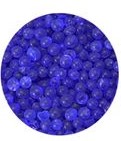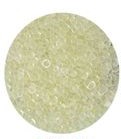
Selective molecular sieve refill for compatible drying equipment and applications requiring low humidity.
Description
Molecular Sieves are selective adsorbents used where moisture control calls for a particularly dry environment. As a refill for compatible desiccators or drying equipment, they offer an alternative to conventional silica gel when the application’s target humidity and operating conditions justify a different adsorption characteristic.
Their crystalline structure contains pores of controlled dimensions. Molecules that can enter these pores are adsorbed, with the response depending on molecular size and affinity for the material. Different sieve types therefore have different selection characteristics; the required grade should be established from the application rather than assumed.
General applications include drying gases and liquids and protecting systems in which residual moisture can cause problems. Molecular sieve materials can retain useful adsorption performance at low humidity. The achievable dryness in a particular installation still depends on the selected type, charge quantity and overall equipment design.
For a replacement charge, confirm the existing sieve specification, particle size and compatibility with the holder or dryer. A change of media can affect the way the system operates. Provide our technical team with the equipment details and intended drying duty so the refill requirements can be reviewed.
Limit exposure to ambient moisture when opening the pack and transferring the charge. Reseal unused material promptly and follow the equipment’s loading procedure. Regeneration, where applicable, needs a process suitable for the supplied sieve grade and system; temperature and duration should come from its technical instructions.
Material selection and applications
Molecular sieves are crystalline zeolite adsorbents with pores of closely controlled size. The supplied Molecular sieves reference covers types 3A, 4A and 13X, with nominal pore diameters of 3, 4 and 10 angstroms respectively. Molecules must be able to enter the pores, so the required grade depends on the water or gas molecules being controlled.
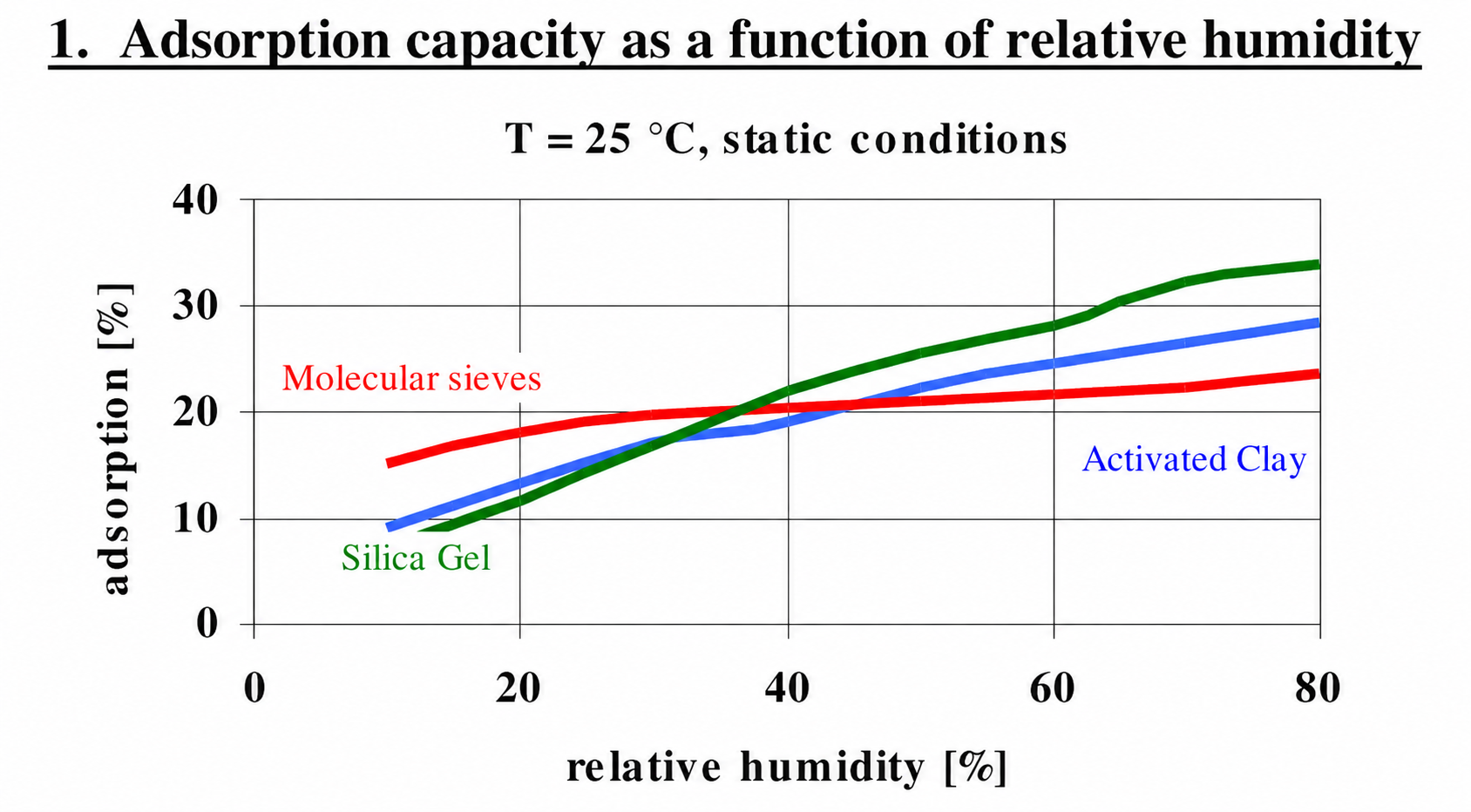
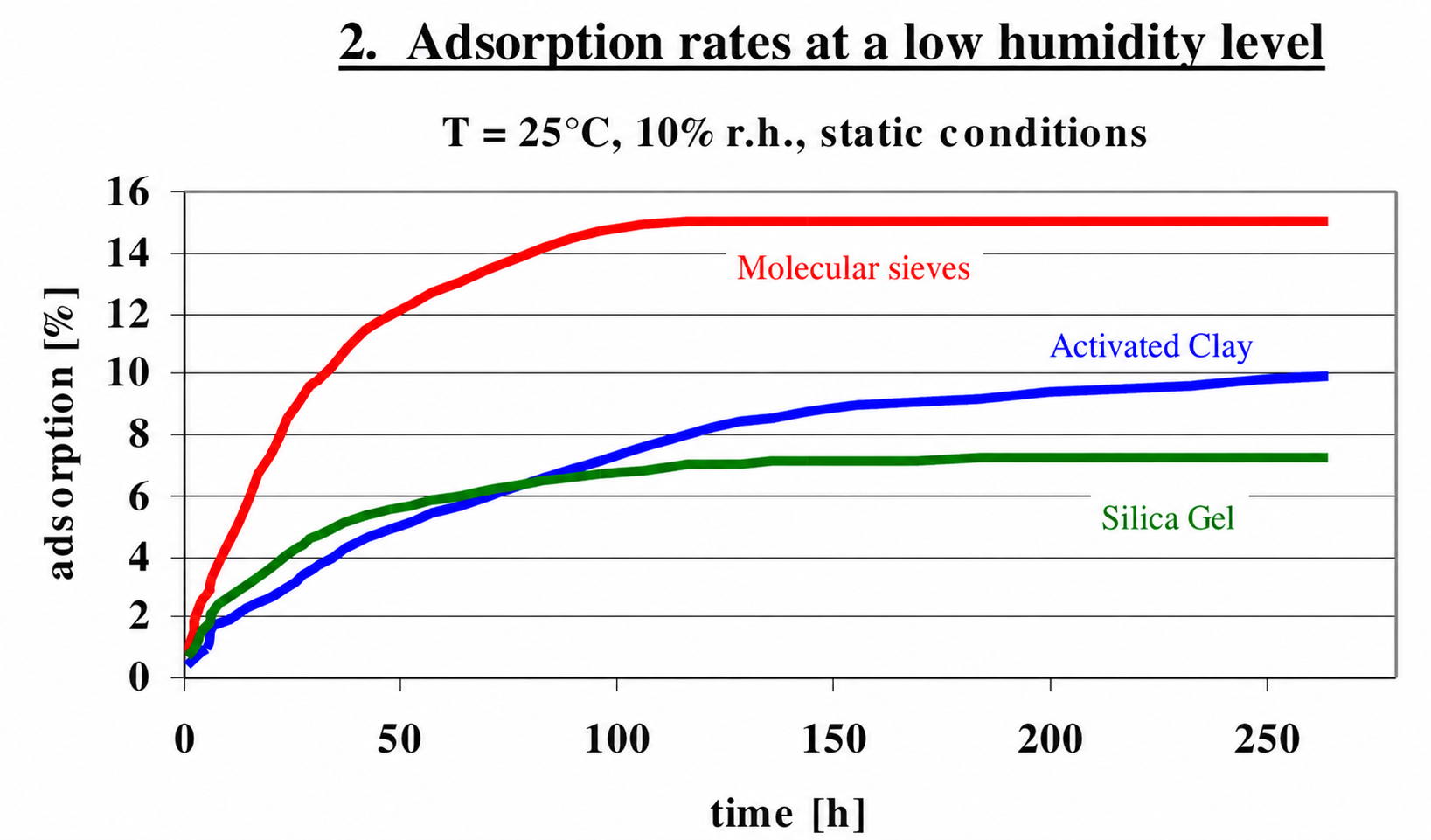
The comparison data shows strong moisture uptake at low relative humidity and a comparatively rapid low-humidity adsorption rate for Molecular sieves. These characteristics are useful when assessing moisture control for sensitive electronics, optics and compatible air or gas drying systems. Confirm the refill type and particle form against the equipment specification.
The supplied sheet states that molecular sieve products cannot be reactivated for repeated use. This is product-specific guidance and should not be replaced by a generic regeneration instruction for molecular sieves. Follow the instructions for the supplied refill grade.
Reference performance graphs
These graphs show the reference material grades under the printed test conditions; confirm suitability for the refill grade being supplied. Click to view full size.
Further information
| Desiccant | Molecular Sieves |
|---|
Drawings available on request.
Request drawings